
Lysine requirements of pigs divergent in breeding value for nitrogen efficiency

By Lisanne Verschuren Topigs Norsvin performed a study within the EU-project 3D’Omics, to find how the lysine content in feed relates with the different genetic potential for nitrogen efficiency. Animal groups with extreme high/low breeding values for nitrogen efficiency grew in a two-phase ad lib feeding program with high/medium/low levels of lysine. The experiment showed […]
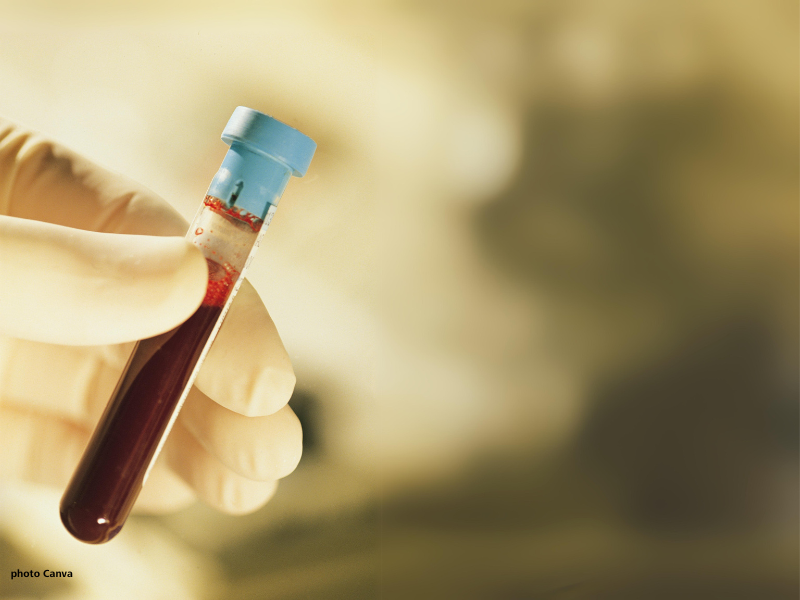
Genetic analyses of blood metabolites and amino acids in blood serum in pigs
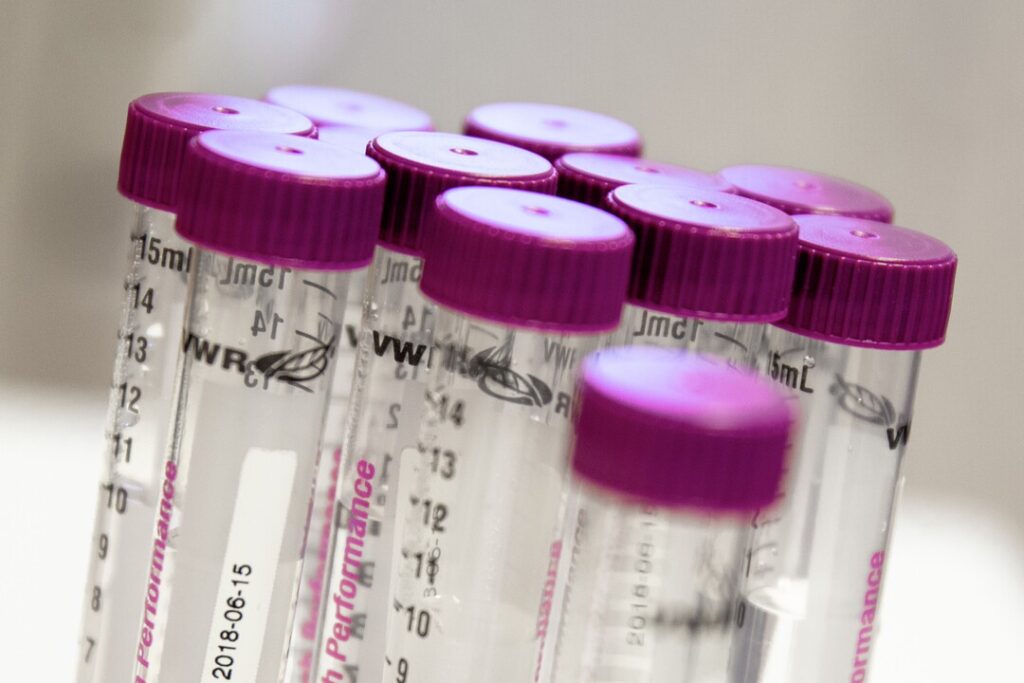
By Kristine H. Martinsen In pig production, resilience is an individual’s ability to cope or recover rapidly from a wide range of disruptive challenges back to the original level of normal health, fertility, and production. However, recording resilience in nucleus herds is challenging, as the health status is high, and natural disease challenges rarely occur. […]
On the genetics of farrowing duration in pigs
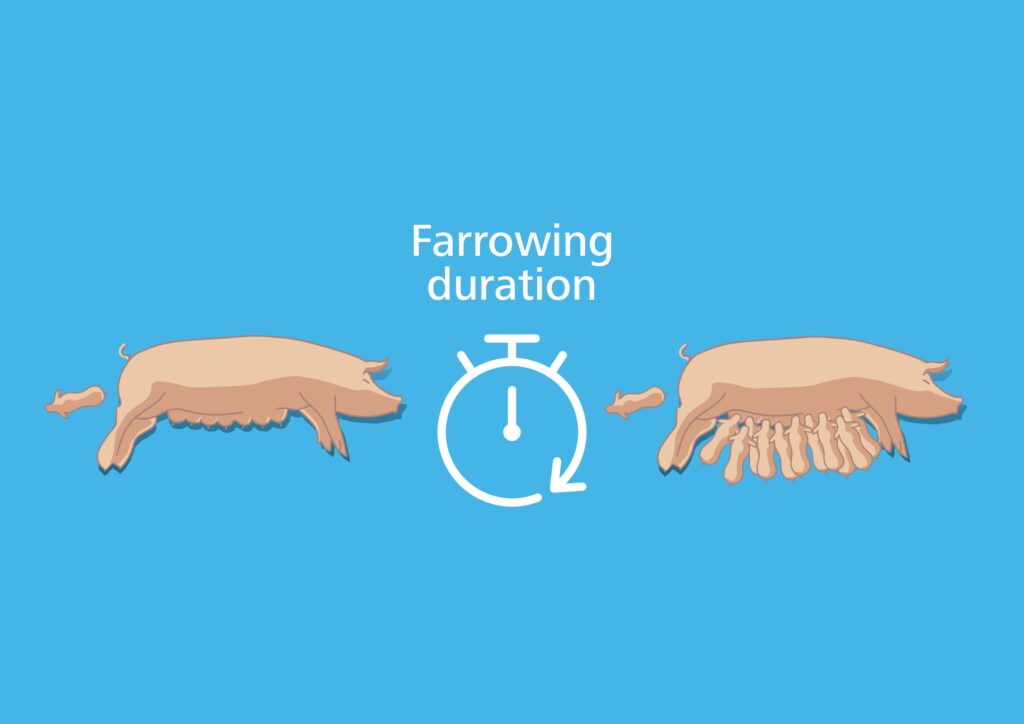
By Marcos Lopes With the increase in litter size observed in the last decades, the farrowing duration has also increased. This fact brings new challenges into the farms as a longer farrowing duration can increase the demand for labor per sow during farrowing. Some studies also associate longer farrowing duration with an increase in the […]
How to define good mothering ability using computer vision of free farrowing sows?
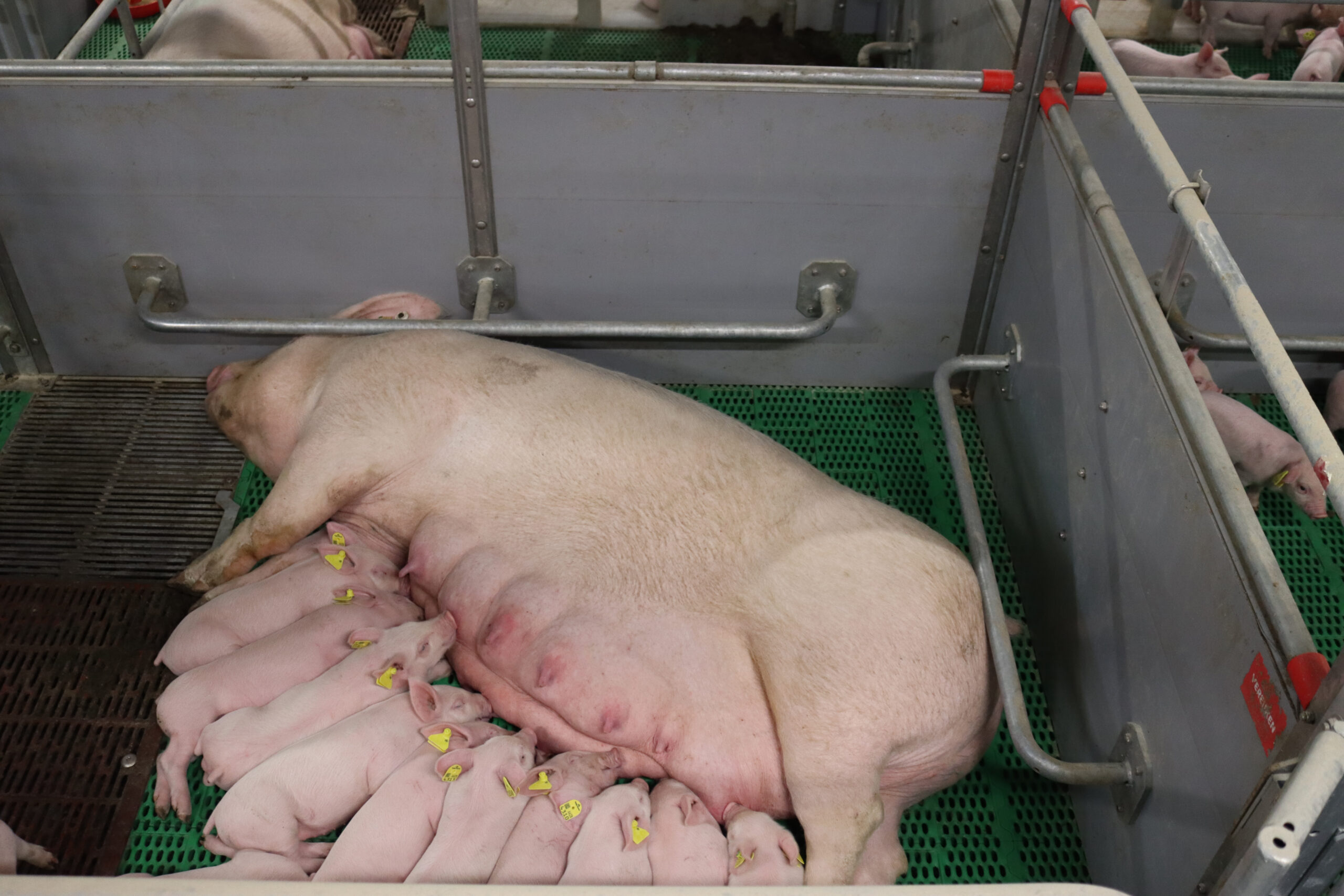
By Victor Lei and Lisette van der Zande Most of the sows are housed in a cage system in the farrowing unit. Although this system is intended to reduce piglet mortality, it impacts the welfare of the sow as she is not able to express natural behavior in this system. Therefore, Innova Canada has 360 […]
Sow weight development: a pragmatic approach
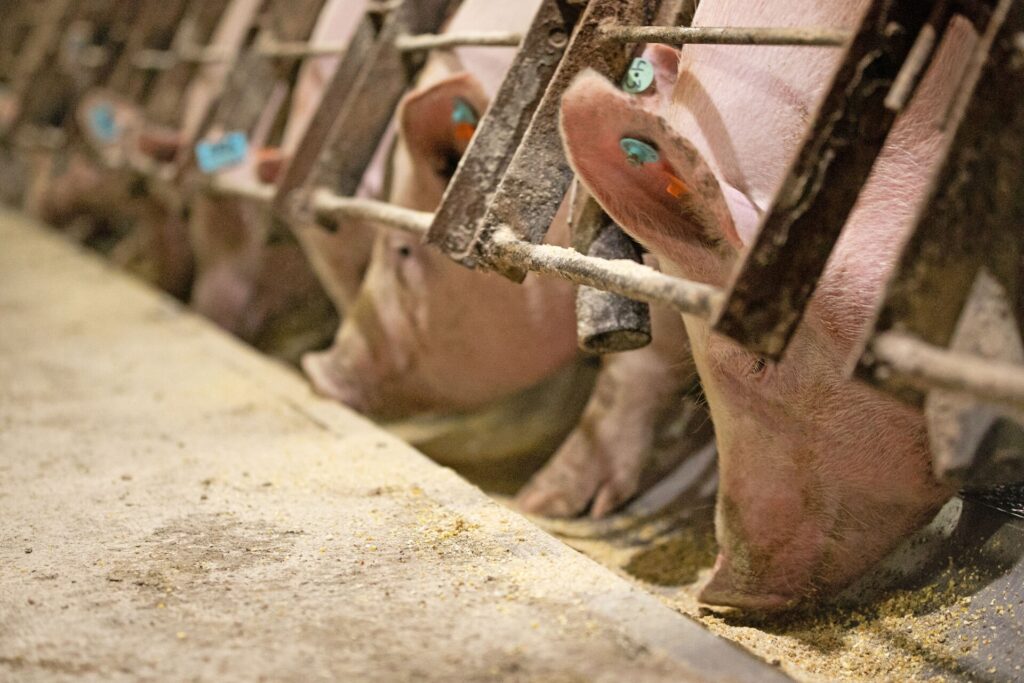
By Rob Bergsma Feed used for maintenance in sows is around 1% of their live weight, and a 10 kg higher sow body weight from first lifetime insemination onwards requires 36.5 kg extra feed for maintenance annually, which increases the feed cost for a sow by approximately 10 EURO per year. Genetic selection, through emphasis […]
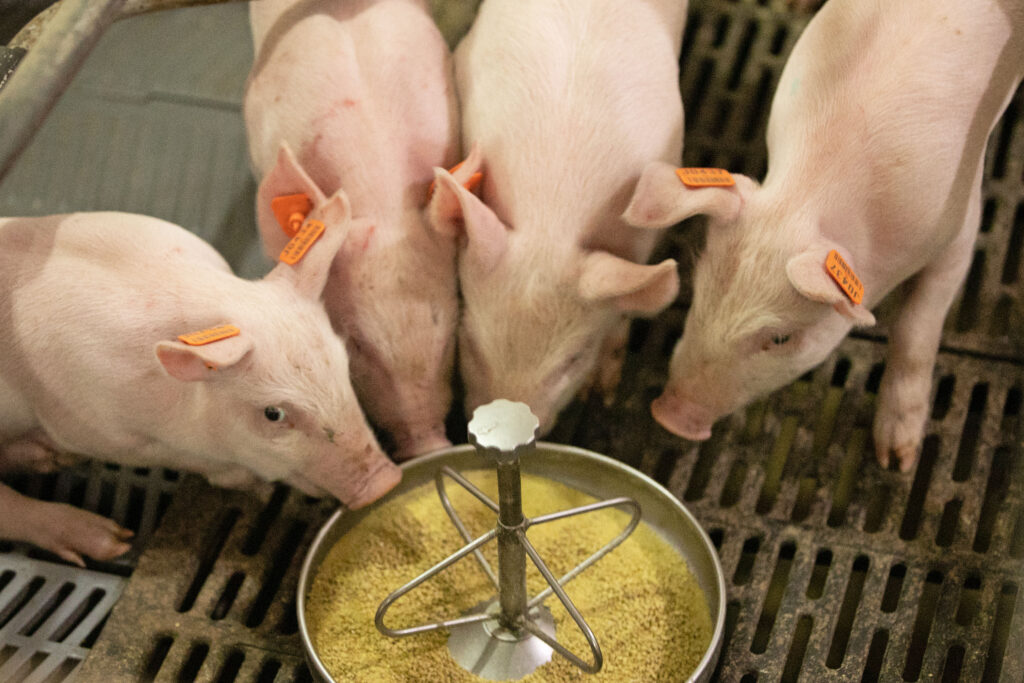
Maintaining gilt performance whilst limiting feed consumption
By Debora Holanda Topigs Norsvin aims for continued sustainability and profitability of our customers in a changing world. In this context, it is important to find the balance between a controlled and sustainable growth rate of gilts and optimal sow lifetime productivity. This is especially true now as genetic selection continues to increase feed efficiency […]
Near-infrared spectroscopy to predict the composition of feces and nutrient digestibility
By Victor Lei and Rob Bergsma Topigs Norsvin’s relentless efforts to genetically improve feed efficiency of grower-finishers has led to a potential new selection characteristic: digestibility. Recent research has shown that selection on individual nutrients-digestibility in a diet, like protein or fiber digestibility can accelerate genetic selection on feed efficiency. Digestibility studies in animals, traditionally […]
Selecting for social behaviour helps to meet the challenges of pork production
By Kristine Hov Martinsen Economic factors and increased consumer demand for animal-welfare-friendly meat production have changed the parameters for pig production. Farms are bigger with high animal turnover, manual work has been automated, group sizes are increasing, and human-animal interactions are decreasing. Therefore, Topigs Norsvin must acquire information about pig behaviour to develop breeds that […]