
Integrating microbiome data to improve breeding value prediction for finishing traits in pigs

By Toyoto Maruyama The pig gut microbiome consists of a diverse community of microorganisms, including bacteria, viruses, and fungi, that can influence traits such as growth and feed efficiency. In this study, we aim to investigate whether adding information on the pig microbiome could improve the accuracy of predicting pigs’ breeding values for several finishing […]
Validating runs of homozygosity in pig populations

By Kelvin Kelles Inbreeding, defined as mating between closely related animals, can accelerate genetic progress but also poses significant risks, such as the reduction of genetic diversity. One way to better manage inbreeding in pig breeding programs is to analyze the level of runs of homozygosity (ROH). ROH are continuous stretches of DNA where genetic […]
Swine Inflammation and Necrosis Syndrome (SINS) and its genetic relationship with post-weaning skin damage

By Arielly Oliveira Garcia Lesions and injuries observed on a pig’s body extremities, such as the tail and ears, have traditionally been attributed to damaging behaviors such as tail and ear biting. However, the presence of lesion signs in newborn piglets, before any social interaction with other mates, indicates that these injuries may result from […]
Identifying reciprocal translocations in pigs through LD analysis of offspring genotypes

By Anne Boshove The most common structural chromosomal abnormalities in humans and livestock are Reciprocal Translocations (RTs). An RT occurs when two different chromosomes exchange a part of their DNA with each other. This leads to reduced fertility of the carrier, as they have the chance to pass on an incomplete set of genetic information […]
On the genetics of farrowing duration in pigs
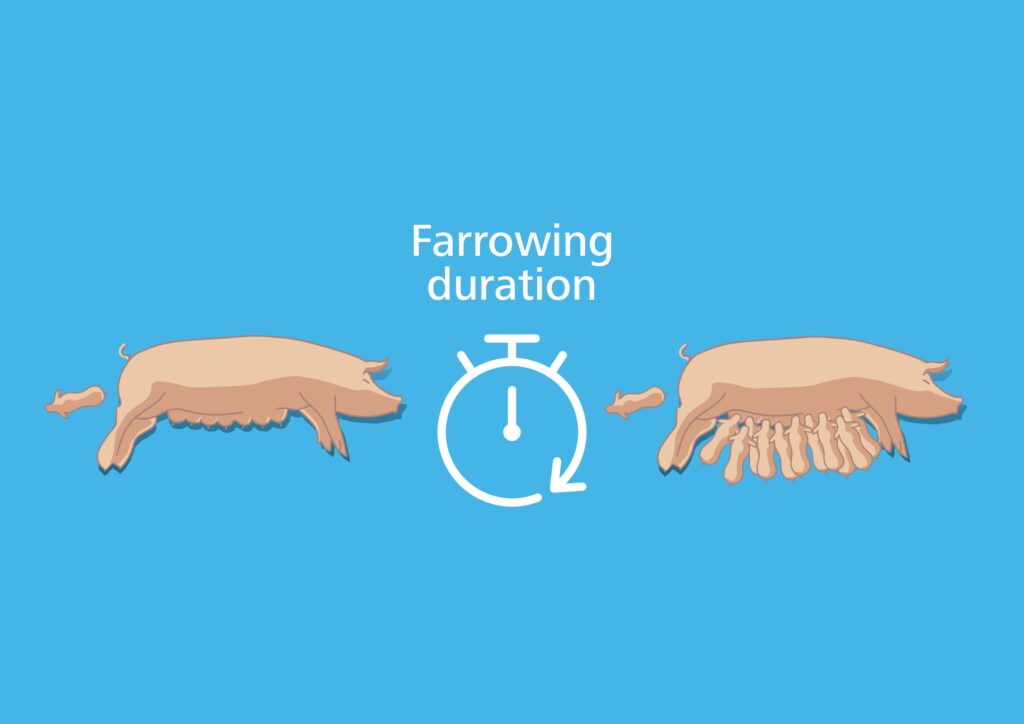
By Marcos Lopes With the increase in litter size observed in the last decades, the farrowing duration has also increased. This fact brings new challenges into the farms as a longer farrowing duration can increase the demand for labor per sow during farrowing. Some studies also associate longer farrowing duration with an increase in the […]
Sow weight development: a pragmatic approach
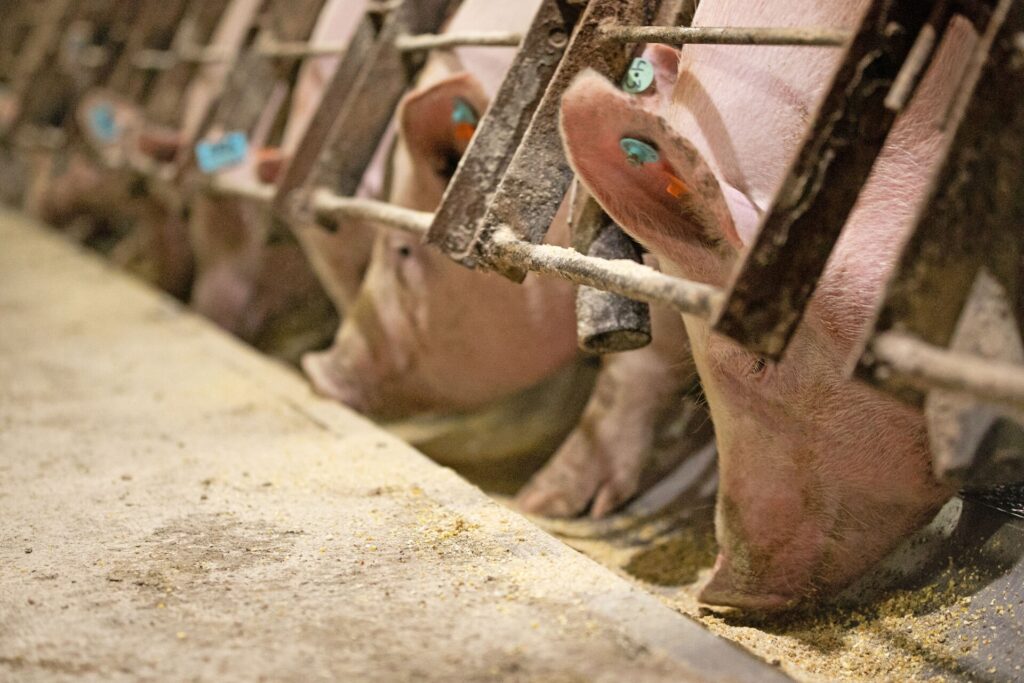
By Rob Bergsma Feed used for maintenance in sows is around 1% of their live weight, and a 10 kg higher sow body weight from first lifetime insemination onwards requires 36.5 kg extra feed for maintenance annually, which increases the feed cost for a sow by approximately 10 EURO per year. Genetic selection, through emphasis […]
Topigs Norsvin line specific reference genomes help pinpoint new genetic variation
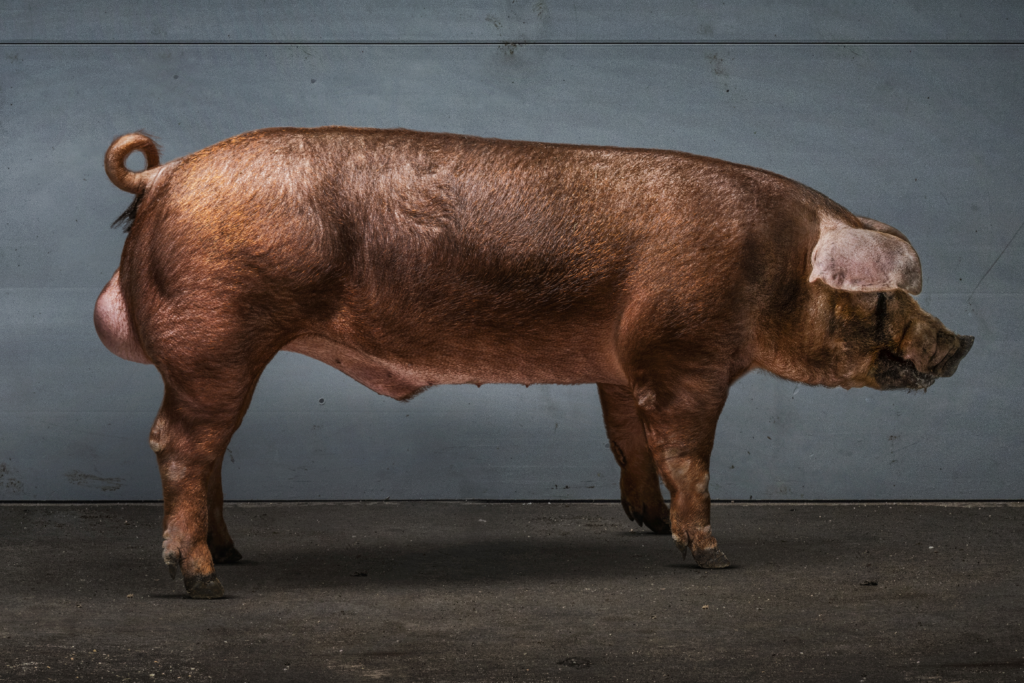
By Martijn Derks Within pig genetics and genome research, we usually rely on a reference genome which we compare to the variations within our breeding lines. However, using a single reference genome has its limitations. Unique genetic variations that are specific to our breeding lines but absent in the reference genome may go unnoticed. The […]
Rare (deleterious) variants identified at early stage in our lines
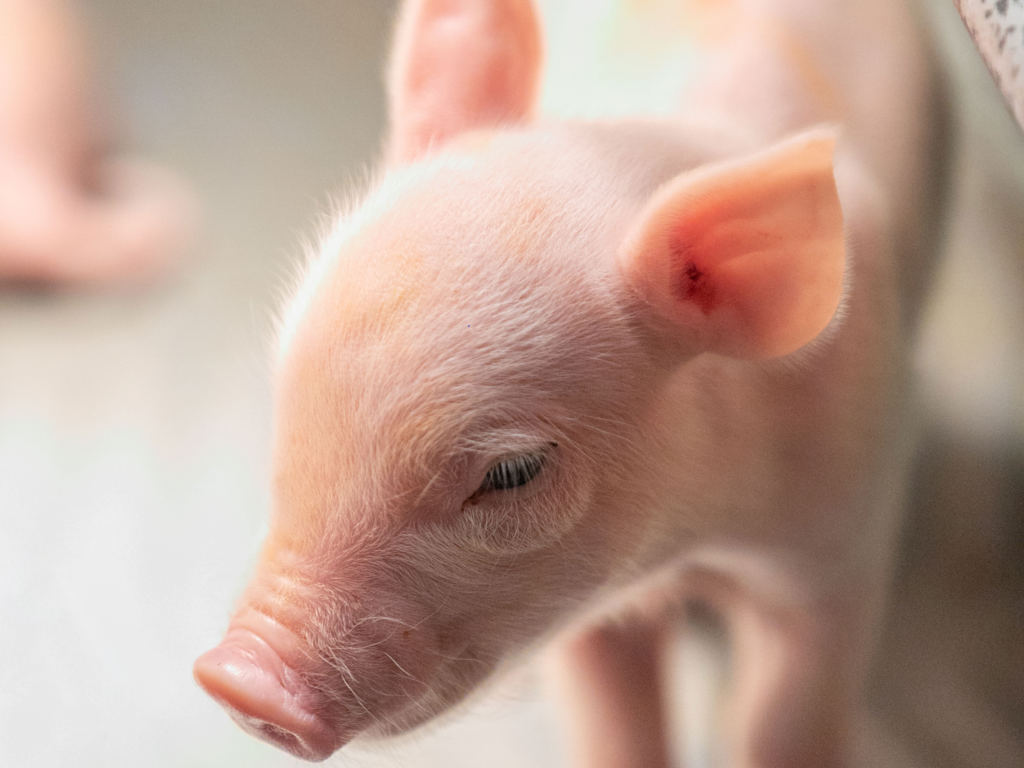
By Martijn Derks An important focus for us is to identify rare deleterious variants as early as possible. Identifying such variants early on allows for the opportunity to quickly select against such variants to improve both genetic gain and animal welfare. To achieve this, we use two primary approaches that significantly contribute to the early […]